VRchaeology (The Stu/dio)
Overview
From May 2025 to October 2025, I had the privelege of managing the VRchaeology (VR Archaeology) project at The Stu/dio in Urbana-Champaign. The VRchaeology project is an educational VR experience designed to give students hands-on experience with real-world archaeological methods without having to leave the classroom. The VR experience was built in Unreal Engine and runs on the Meta Quest headset.
Lab Summaries
VRchaeology is split into eight different labs where each level is intended to be a lab for one week in the classroom. A summary of all labs are given below:
Tutorial
The tutorial is intended to teach the player basic movement controls and tool access controls.
Exploration: Geology and History
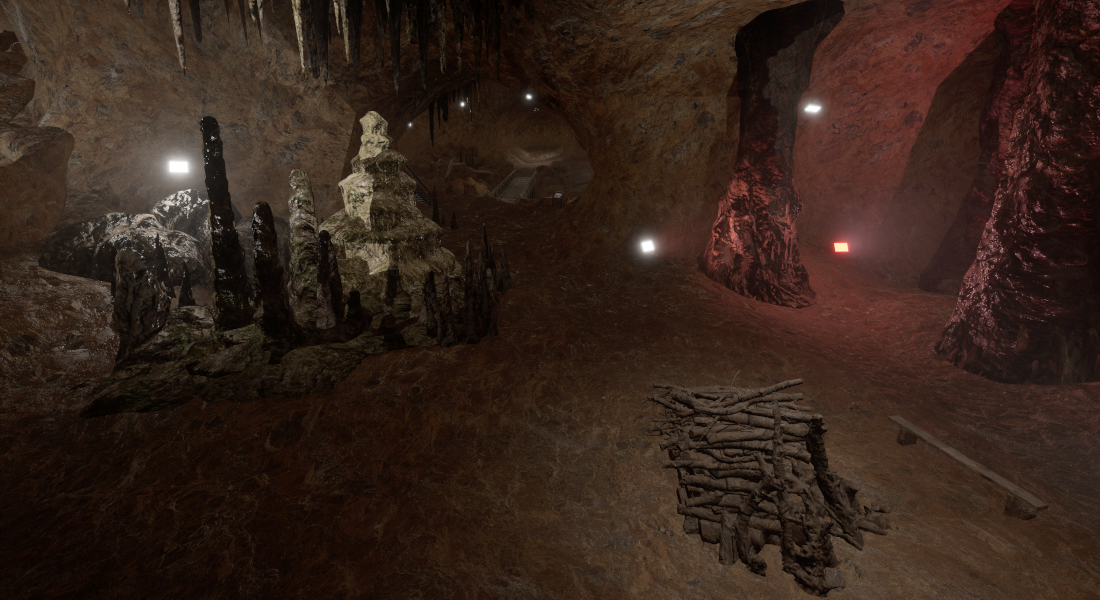
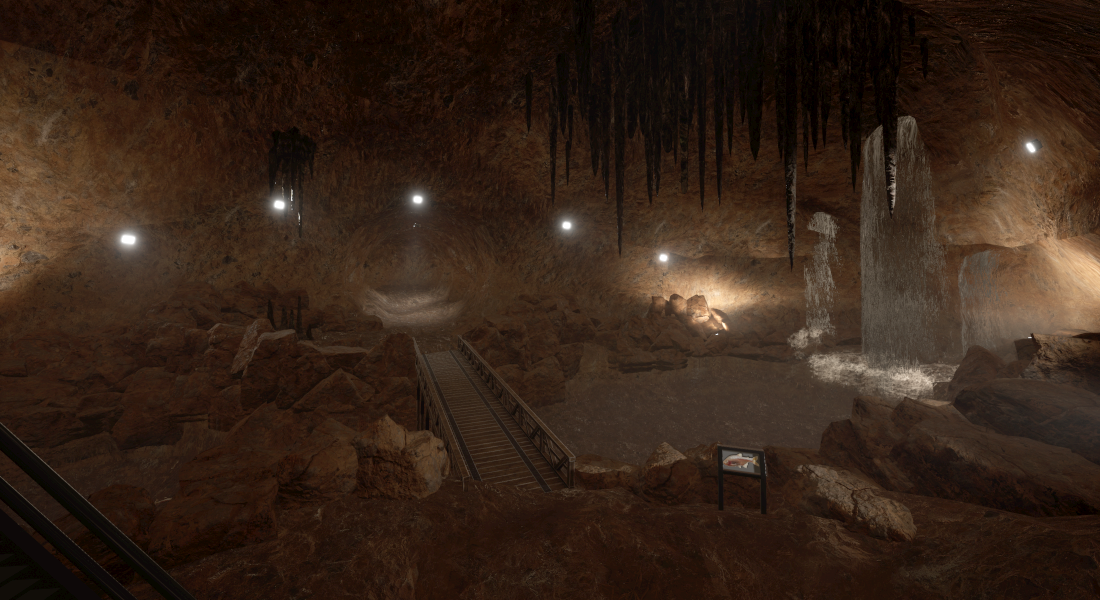
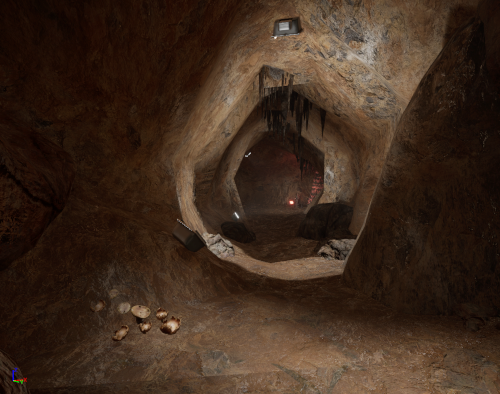
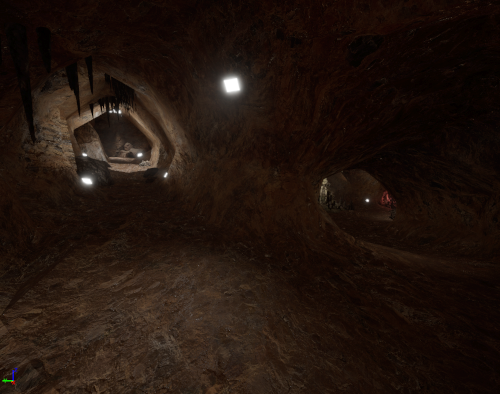
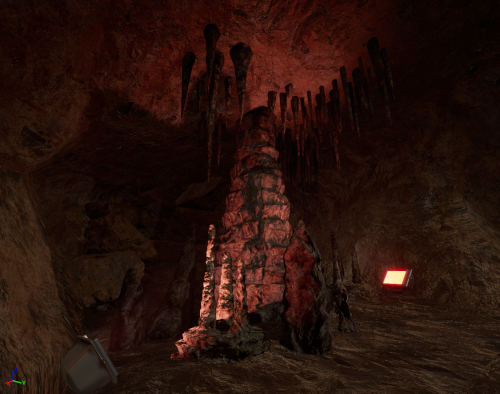
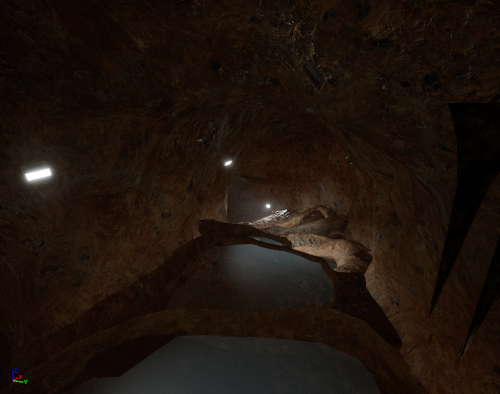
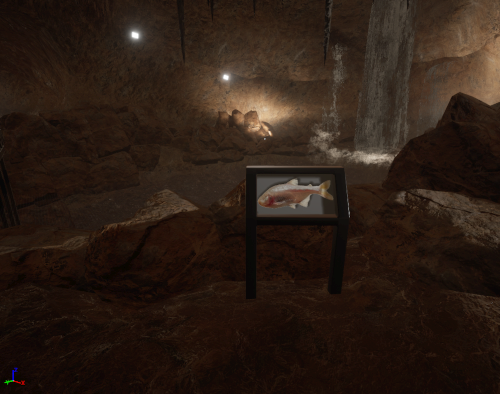
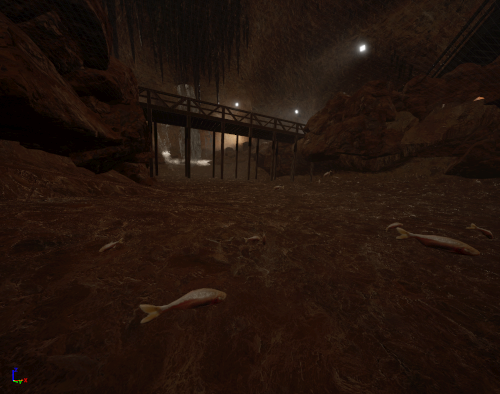
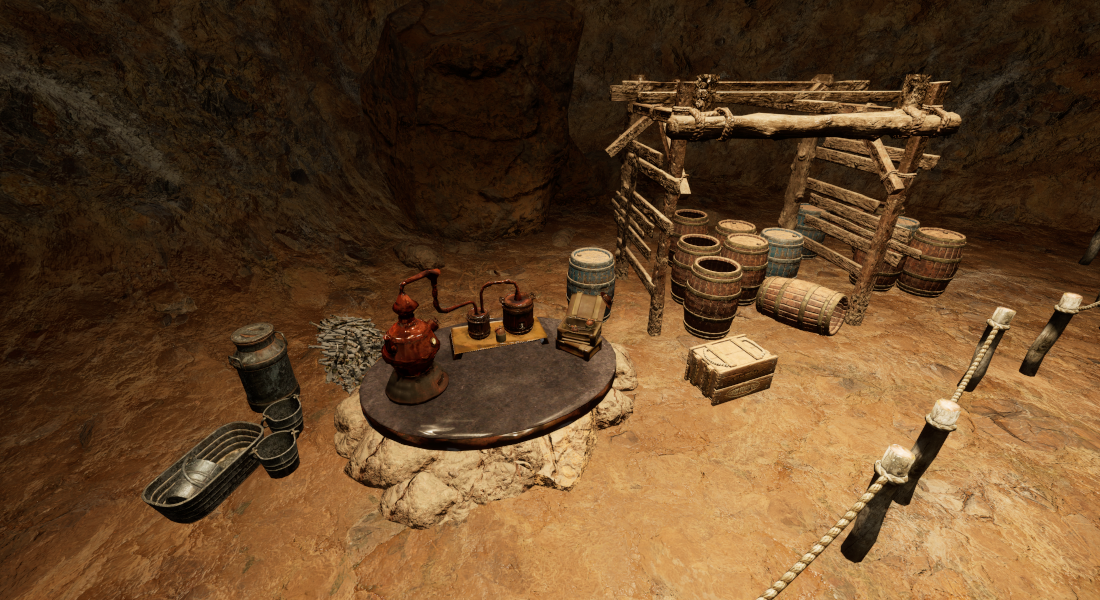
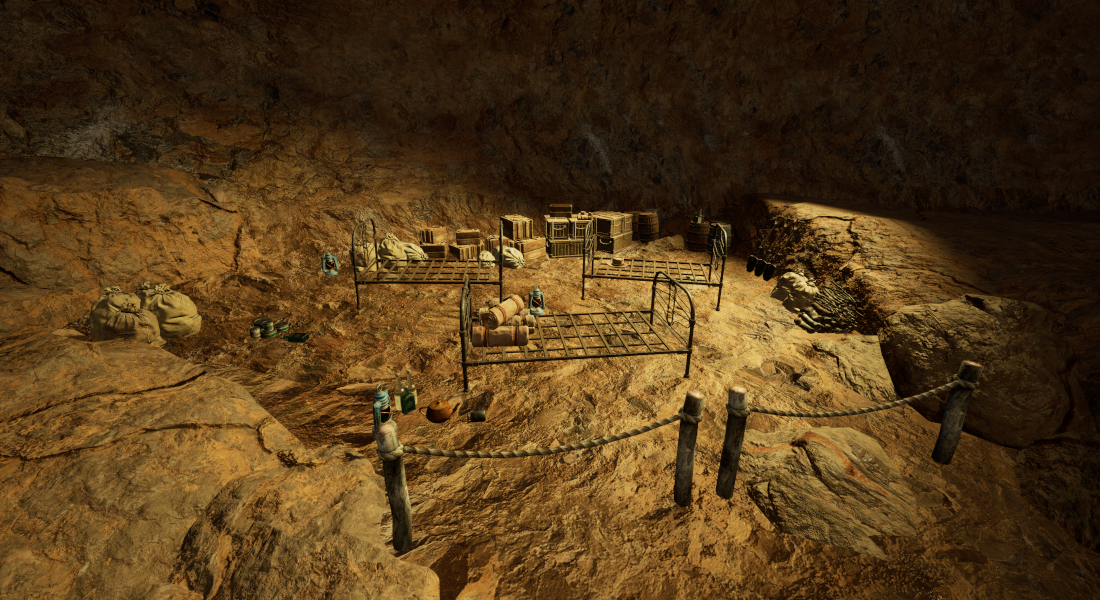
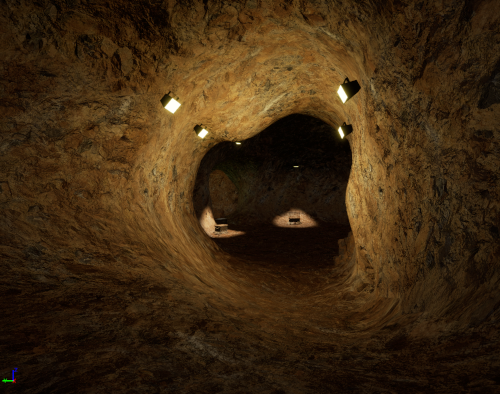
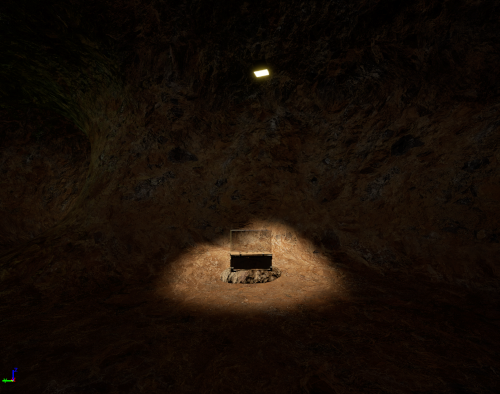
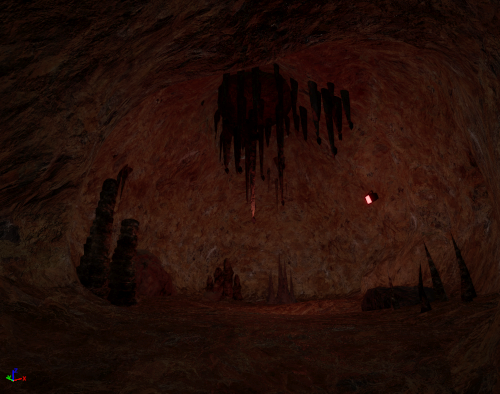
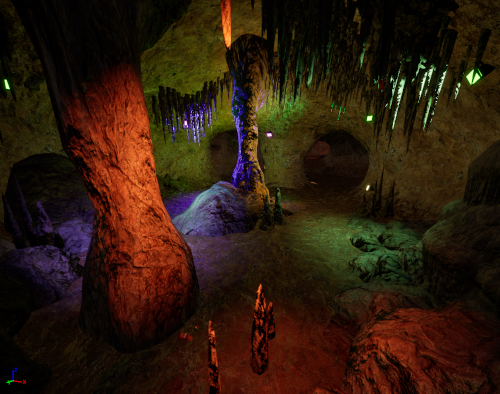
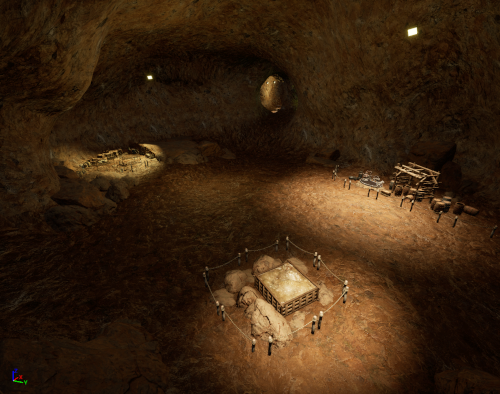
The exploration levels are a fun and accessible introduction to VRchaeology. The player goes around a touristy area of the cave and photographs different points of interest. As they take photographs, they are given information about what they are photographing.
Surface Survey
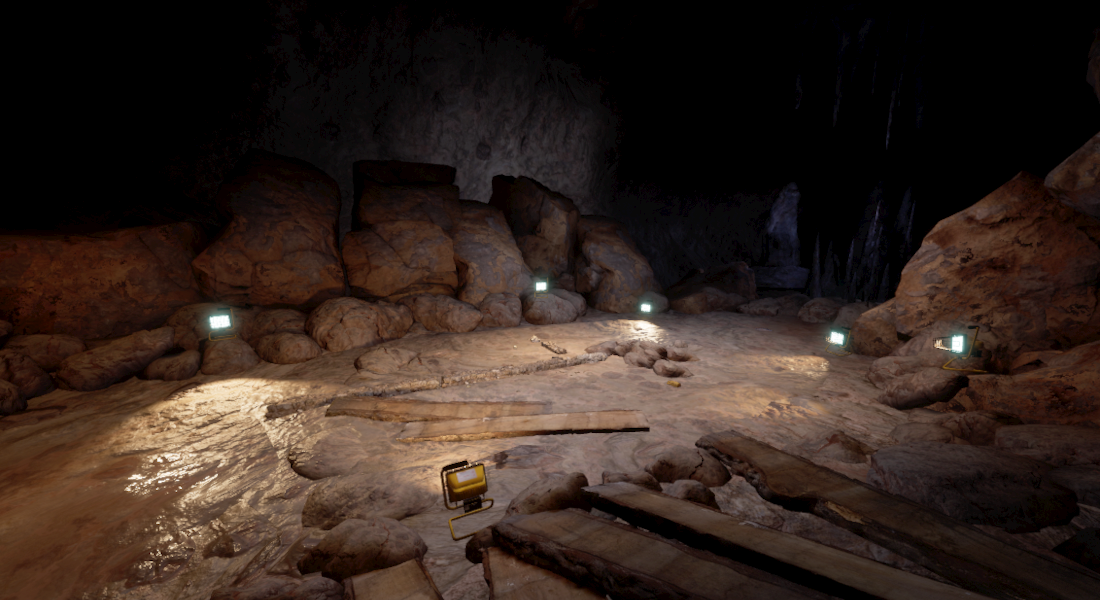
The surface survey level is the first level in the “archaeological site”. In this lab, the player must perform the first step in an archaeological survey: flagging all artifacts that can be found on the surface. The concentration of artifacts found on the surface may influence the player’s choice of where to excavate during the Excavation lab.
Set Grid and Set Grid Mini Tutorial
The set grid level walks the player through setting a single 1 meter x 1 meter grid square. To actually get a right angle, the player must perform a special measurement using two measuring tapes. The mini tutorial prepares the player for using the tools in the set grid level.
Excavation
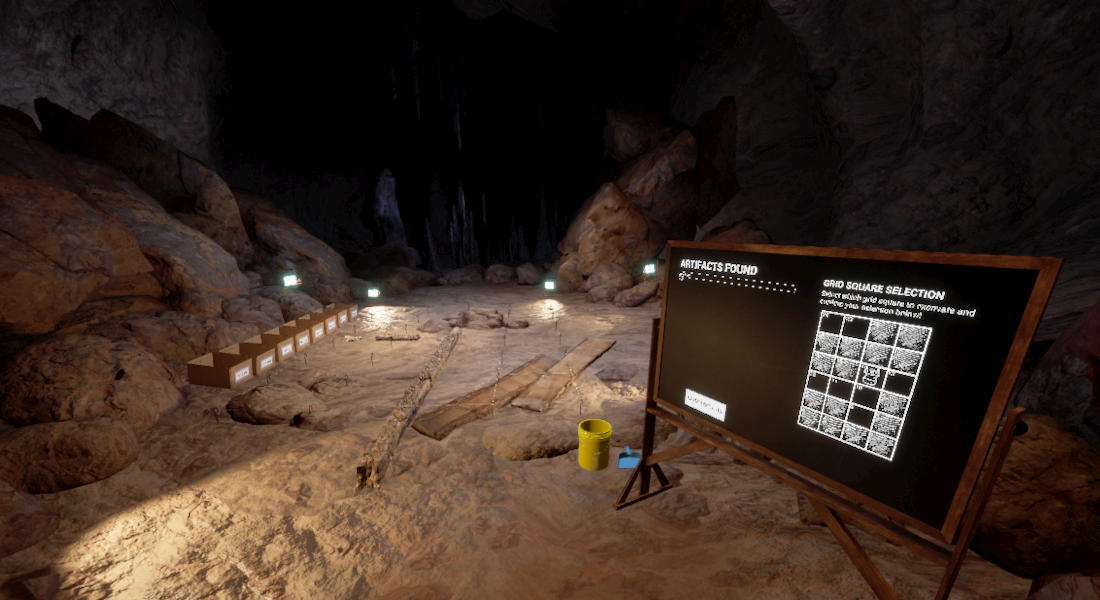
In excavation, the player is able to start digging into the ground and search for buried artifacts. As the player finds artifacts, they must clean and sort them. A report of artifacts dug is automatically made depending on how the artifacts were sorted.
Wall Stratigraphy
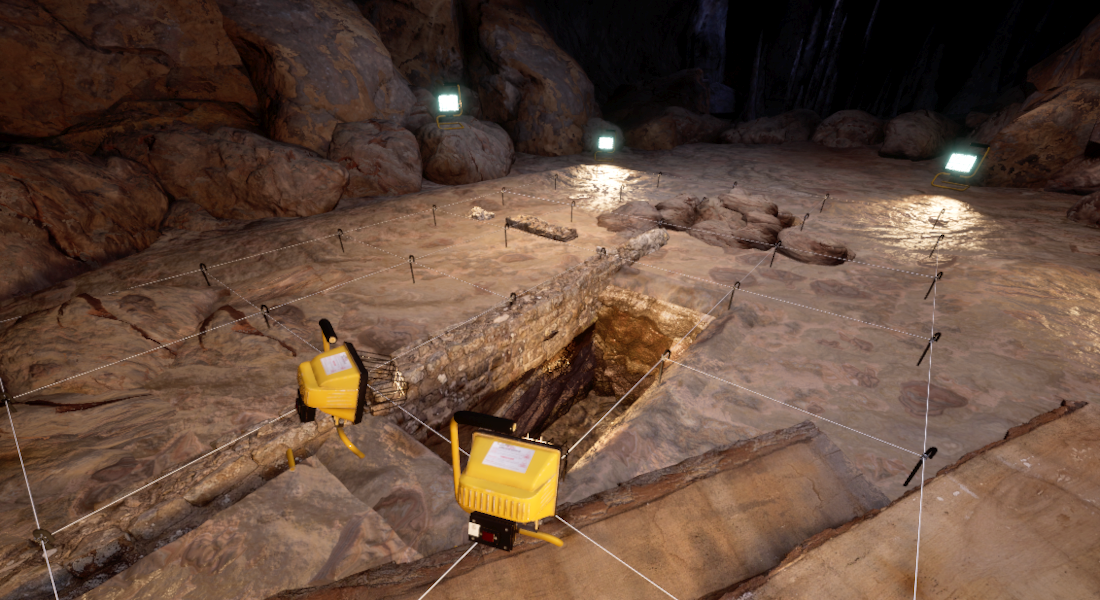
The wall stratigraphy level requires the player to flatten one wall of a fully dug pit. After flattening the wall, the player is given the opportunity to mark the different layers present in the soil, and take measurements of the different layers.
Credits
I'd like to thank everyone involved in helping this project come together:
Sponsor
Dr. Laura Shackelford
Co-PI (NSF Grant)
Dr. David Wen-hau Huang
Associate Producer
Sepehr Vaez Afshar
Project Manager
Gabriel Wozniak
Additional Project Management Support
Om Mistry, Pranav Shah
Programming
Anish Gupta, Praneeth Rangamudri, Nick Simons, Aashish Subramanian
Additional Programming Support
Zach Krauter, Ezra Schur, Gloria Xiao, Weijia “Charlie” Zhang
Design
Madison Rosenberger
3D Art
Nancy “Nan” Kang, Dominic Larrieu, Xiaoxu “Johnny” Lyu, Yiwen “Tiffany” Wu
Additional 3D Art Support
Karan Ganesh, Mengzhen Yu
2D Art
Synthia Cao, Pengkun “Daniel” Mao, Ruoheng Yang
Music
Adrian Pawlikowski
Sound Design
Aubree Gray
Voice Acting
Olive Wang
Stu/dio Leads
Daniel Cermak (Director), Robbie Sieczkowski (Producer), Max Yang (Programming Lead), Aditya Bhave (Art Lead), Rodrigo Hidalgo Amat Y Leon (Design Lead), Sarvin Eshaghi (Quality Assurance Lead), Olive Wang (Accessibility Lead)
Archaeology Content Support
Emma Verstraete, Alexandra Zachwieja
Environment Screenshots
Exploration: Geology
Exploration: History
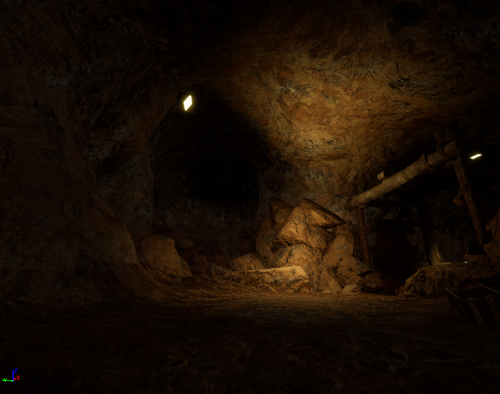
Archaeological Site